A One-Hour Timeframe Strategy
The one-hour chart sits between intraday scalping and swing trading. It produces enough setups to keep you active without forcing you to stare at every minute. This sample strategy combines a trend filter on the four-hour chart with entries on the one-hour chart.
Why this setup
Trading the one-hour chart on its own can mean fighting the larger trend without realising it. Looking at the four-hour chart first sets the direction; the one-hour chart sets the timing. The structure is simple: identify higher highs and higher lows on the four-hour chart, then on the one-hour chart wait for a pullback and a break of a small lower high. Sessions matter too. Liquidity changes through the day, and quiet hours produce plenty of misleading moves.
Entry rules
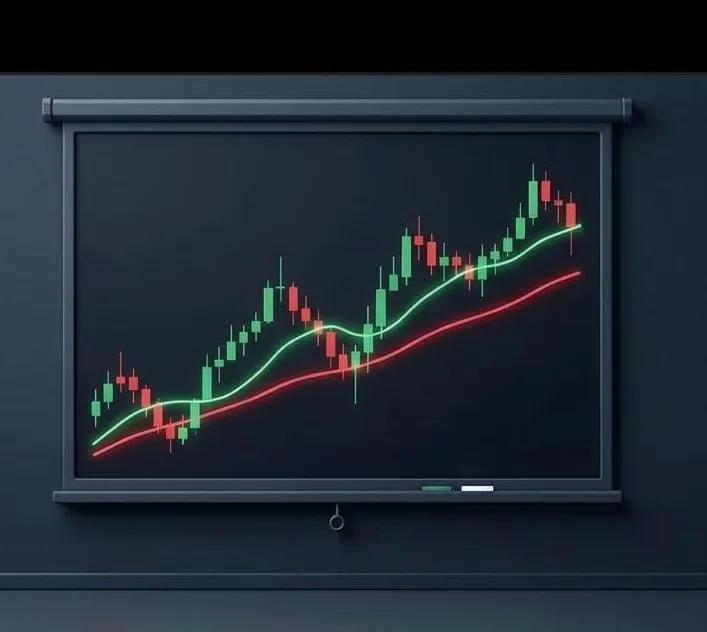
- On the four-hour chart, confirm trend direction with structure (higher highs and higher lows) and price above the 50 EMA.
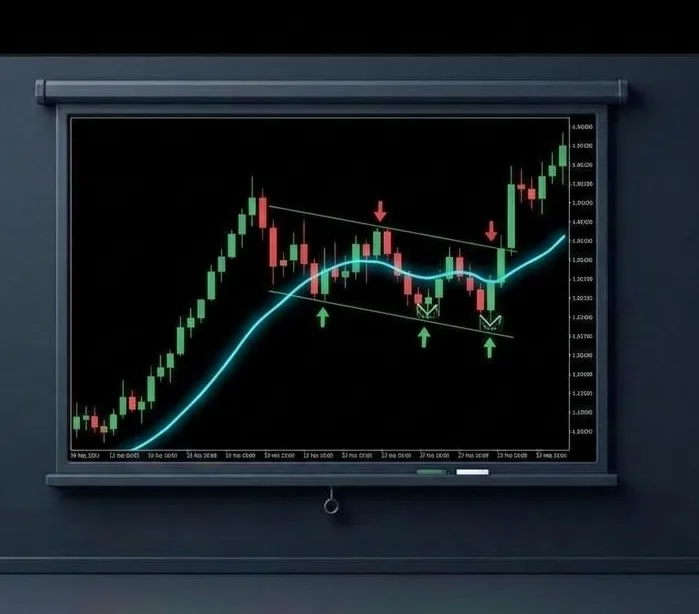
- On the one-hour chart, wait for a pullback that forms at least two lower highs.
- Draw a line across those lower highs and enter when a one-hour candle closes above it.
- Trade only during the active sessions of your market and skip the hour before major news.
- One trade per setup; if you are stopped out, wait for a fresh structure.
Exit and stop
- Place the stop below the pullback low on the one-hour chart.
- The first target is the most recent swing high on the four-hour chart.
- Once price has moved in your favour by the amount you risked, move the stop to breakeven.
- If your market gaps over weekends or holidays, close the trade manually beforehand.
Risk notes
Spreads and commissions take a bigger share of results on lower timeframes, so include them in your testing. Do not raise your trade count to win back losses. Set a daily loss limit and stop trading for the day when you reach it.
Important: This is a sample educational strategy, not a buy or sell recommendation. Test every rule first, with a backtest on historical data and then on a demo account, and decide whether to use or adapt it only after you understand how it behaves in different market conditions.
These strategies need testing (backtesting and a demo account) before use. Any buy or sell decision based on them is at your own risk.