Lesson 8 of 9
DogeCoin
What Is Dogecoin (DOGE)
1. What Is Dogecoin (DOGE)?
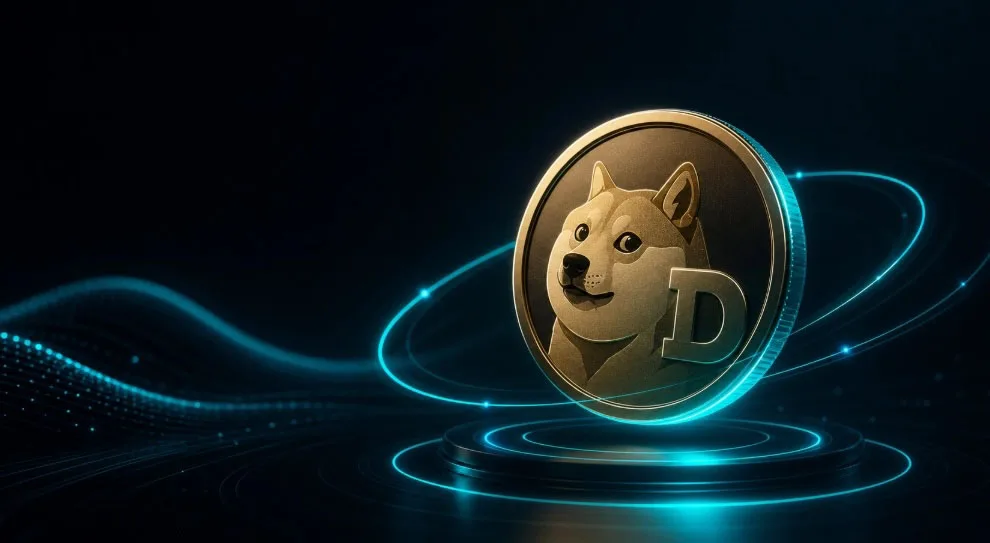
Dogecoin (DOGE) is a cryptocurrency that was created in December 2013 by Billy Markus and Jackson Palmer. It was initially developed as a simple and fun digital currency. Its logo features a Shiba Inu dog, inspired by a popular internet meme.
Although Dogecoin started mainly as a joke and a form of entertainment, it gradually gained popularity and became one of the most well-known cryptocurrencies in the market.
The trading symbol of Dogecoin is DOGE. Users can use it to transfer money, make online payments, send tips and rewards, and complete digital transactions.
Like Bitcoin, Dogecoin operates as a decentralized cryptocurrency. This means users do not need a bank or central organization to send and receive funds. Instead, transactions are recorded and maintained on its blockchain network.
2. How Does Dogecoin Work?
Dogecoin uses blockchain technology. A blockchain is essentially a digital record system that stores information about transactions carried out on a network.
When a user sends DOGE to another person, the transaction information is broadcast to the network. Miners then verify the transaction, and once it is approved, the information is recorded in a new block.
Dogecoin uses the Proof of Work (PoW) consensus mechanism. In this system, miners use computing power to solve mathematical problems required to create new blocks and verify transactions.
Dogecoin uses the Scrypt algorithm, which is different from Bitcoin's SHA-256 algorithm.
One important feature of Dogecoin is that it can be mined alongside Litecoin. This process is known as Merged Mining. Through this method, miners can use the same computing power to help secure both networks.
A new block is created on the Dogecoin network approximately every minute. This allows transactions to be recorded on the blockchain relatively quickly compared with networks that have longer block creation times.

3. What Are the Use Cases of Dogecoin?
Although Dogecoin was originally created as a fun digital currency, it now has several practical use cases.
1. Money Transfers: Users can send and receive DOGE around the world without relying on banks or traditional financial intermediaries.
2. Online Payments: Some online stores and businesses accept DOGE as a payment method. However, its availability depends on whether the seller supports Dogecoin payments.
3. Tips and Rewards: One of Dogecoin's well-known uses is sending small amounts of cryptocurrency as tips or rewards to content creators and other users on the internet.
4. Digital Transactions: Users can transfer DOGE between different cryptocurrency wallets and use the network to send and receive digital assets.
5. Trading on Cryptocurrency Exchanges: Dogecoin is listed on many cryptocurrency exchanges. Users can buy and sell it against other cryptocurrencies or traditional currencies.
4. Dogecoin Tokenomics and Supply
Tokenomics refers to the way a cryptocurrency is created, distributed, and supplied. Understanding tokenomics helps users learn how new coins enter the market and what factors affect the total supply.
One of the main differences between Dogecoin and Bitcoin is that Dogecoin does not have a fixed maximum supply.
Bitcoin has a maximum supply of 21 million coins, while Dogecoin has no final limit on the number of coins that can be created. As a result, new DOGE enters circulation over time.
Currently, miners receive 10,000 DOGE as a reward for each new block. Since a new block is created approximately every minute, around 5.2 billion new DOGE are added to the supply each year.
This system means that the total supply of Dogecoin continues to increase over time. However, as the total number of DOGE in circulation grows, its inflation rate gradually decreases.
Unlike Bitcoin, Dogecoin does not have a scheduled halving mechanism in its current structure. This means its mining reward is not periodically reduced by half according to a fixed schedule.
5. Advantages of Dogecoin
Dogecoin has several features that have helped it become popular among cryptocurrency users.
1. High Recognition and Popularity: Dogecoin is one of the most recognizable cryptocurrencies in the market and has a large community of users and supporters.
2. Relatively Fast Transactions: Blocks are created approximately every minute, allowing transactions to be recorded on the network relatively quickly.
3. Relatively Low Transaction Fees: In many situations, DOGE transaction fees are lower than those of some congested and more expensive networks. However, fees depend on network conditions and transaction details.
4. Ease of Use: Users can send, receive, and store Dogecoin through compatible cryptocurrency wallets.
5. Active Community: The Dogecoin community has played an important role in increasing awareness and encouraging the use of this cryptocurrency.
6. Disadvantages and Risks of Dogecoin
Despite its popularity, Dogecoin has certain limitations and risks that users should consider before investing.
1. No Fixed Maximum Supply: Unlike Bitcoin, Dogecoin does not have a maximum limit on the number of coins that can be created. Therefore, its supply continues to increase over time.
2. High Price Volatility: The price of DOGE can rise or fall significantly within a short period. These fluctuations can lead to substantial profits or losses for users.
3. Influence of News and Social Media: At different times, Dogecoin's price has been influenced by news, comments from well-known individuals, and activity on social media platforms.
4. More Limited Functionality Compared with Some Other Projects: Dogecoin is primarily designed for transferring value and making payments. It does not natively offer the same extensive smart contract and decentralized application capabilities as some other blockchain networks.
5. Dependence on Market Attention: Part of Dogecoin's popularity and demand depends on its community and public attention. A decline in interest may affect demand and its market price.
7. What Is the Future of Dogecoin?
The future of Dogecoin depends on several factors. Its use in payments, acceptance by stores and businesses, community activity, overall cryptocurrency market conditions, and demand can all influence the project's future.
If the use of Dogecoin for online payments and digital transfers increases, its real-world applications may also expand.
On the other hand, changes in its popularity on social media and news related to the project can influence traders' decisions and market behavior.
However, it is important to remember that a cryptocurrency's popularity alone does not guarantee an increase in its price. In addition, the lack of a fixed maximum supply and the high volatility of the cryptocurrency market are important factors to consider when evaluating DOGE's future.
To better understand Dogecoin, users should examine not only its price chart but also its supply, trading volume, network conditions, and real-world usage.
8. Conclusion
Dogecoin is one of the oldest and most recognizable cryptocurrencies in the market. Although it was originally created as a fun project, it gradually gained significant attention and established a strong position in the cryptocurrency market.
This cryptocurrency uses the Proof of Work consensus mechanism and allows users to transfer digital assets with relatively fast transaction times and comparatively low fees. Its active community and widespread popularity are also among its important features.
However, the lack of a fixed maximum supply, price volatility, and sensitivity to news and social media are some of the risks that users should consider.
Understanding how the network works, its use cases, its supply structure, and the factors that influence its price can help users make more informed decisions in the cryptocurrency market.
Disclaimer: This article has been prepared for educational purposes and to increase awareness about cryptocurrencies. It does not constitute financial advice or a recommendation to buy or sell Dogecoin (DOGE). Investing in the cryptocurrency market involves risk.
This lesson is for education only and is not a recommendation to buy or sell any asset.